

Don't just own a team.Build something people want to belong to.
A team's long term commercial value depends not only on results on the field, but also on the strength of the community that continues to care when the season ends. theT20cricket.com helps team owners build that community, deepen fan engagement, create new commercial opportunities and strengthen the long term value of the franchise.

Your players may change.
Your captain may change.
Your jersey may change.
Your Fanly stays.
And grows.
Build your community as carefully as you build your squad.
Because the strongest teams are not only followed.
They are belonged to.
Struggling team
The same team. Two very different futures.
- Fan community An audience on match day
- Sponsorship Logo on a boundary board
- Revenue base Central share + 2 sponsors
- Season result (P&L) Loss — again
- Franchise value What you paid — or less
- Exit options A distressed sale, maybe



Powered franchise
The same team. Two very different futures.
- Fan community A Fanly of 84,000 — and growing
- Sponsorship Measured fan interaction, renewed
- Revenue base Memberships · digital · merch · events
- Season result (P&L) Losses stopped. Compounding.
- Franchise value Data backed, on chain valuation
- Exit options Structured OFS — partial or full
 Symptom 01
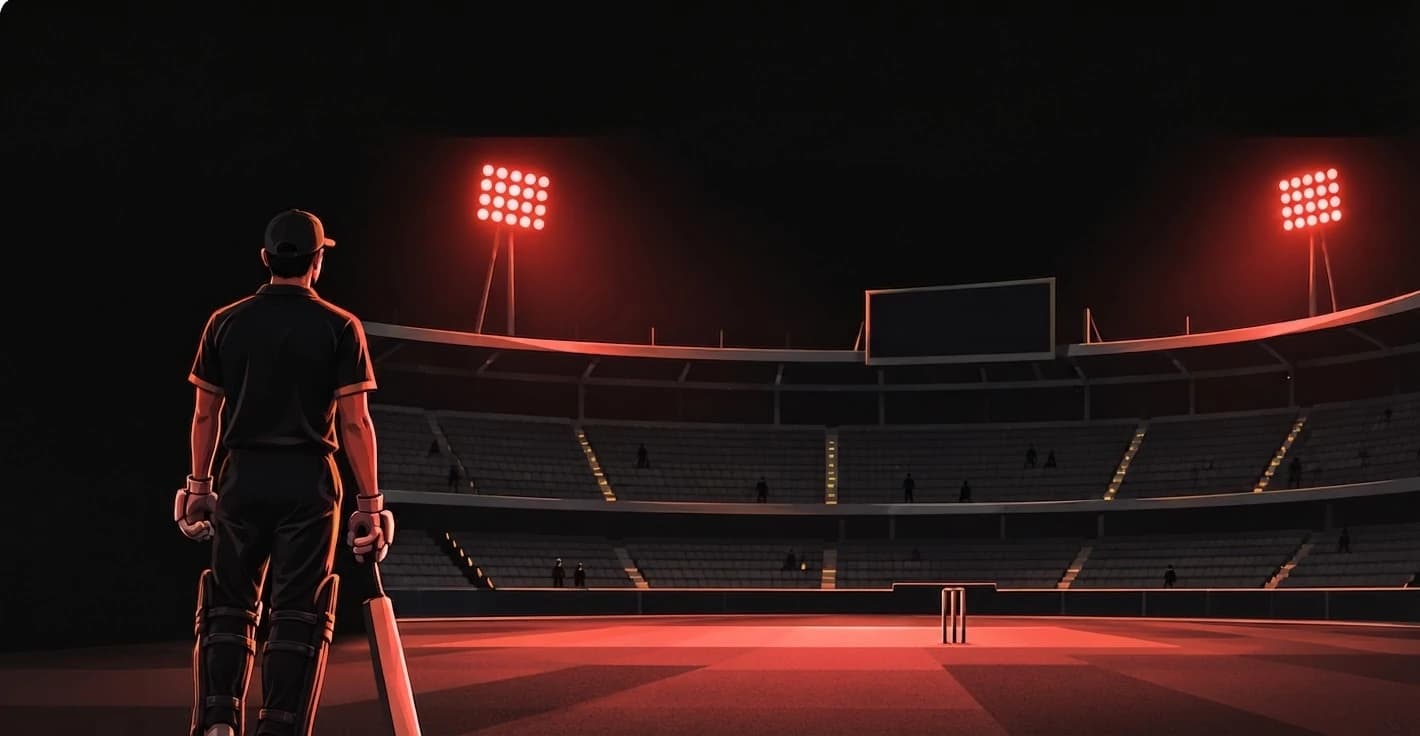
No real fan following
An audience on match day, but no community behind it. Nobody chooses the team, or carries it between seasons.
 Symptom 02
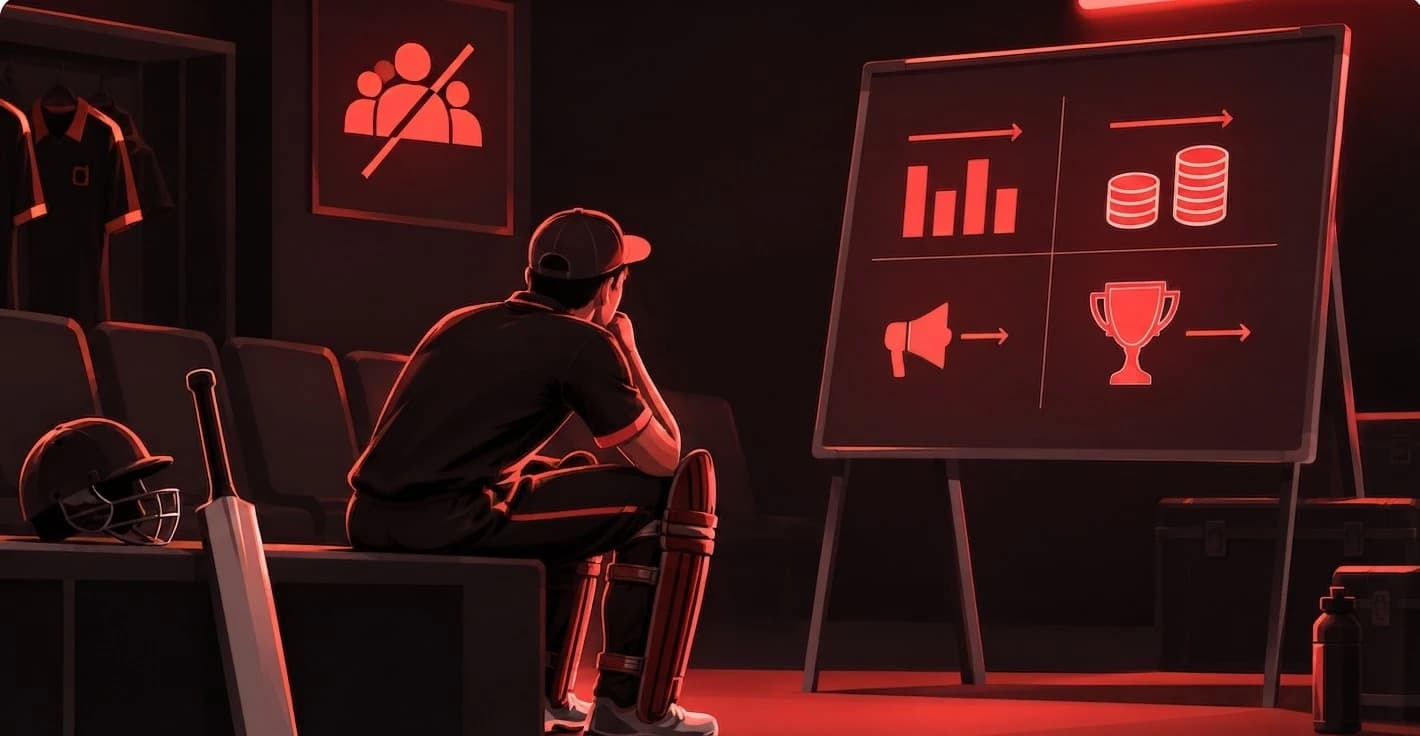
No value addition
The franchise is worth roughly what you paid — or less. Nothing compounds from one season to the next.
 Symptom 03
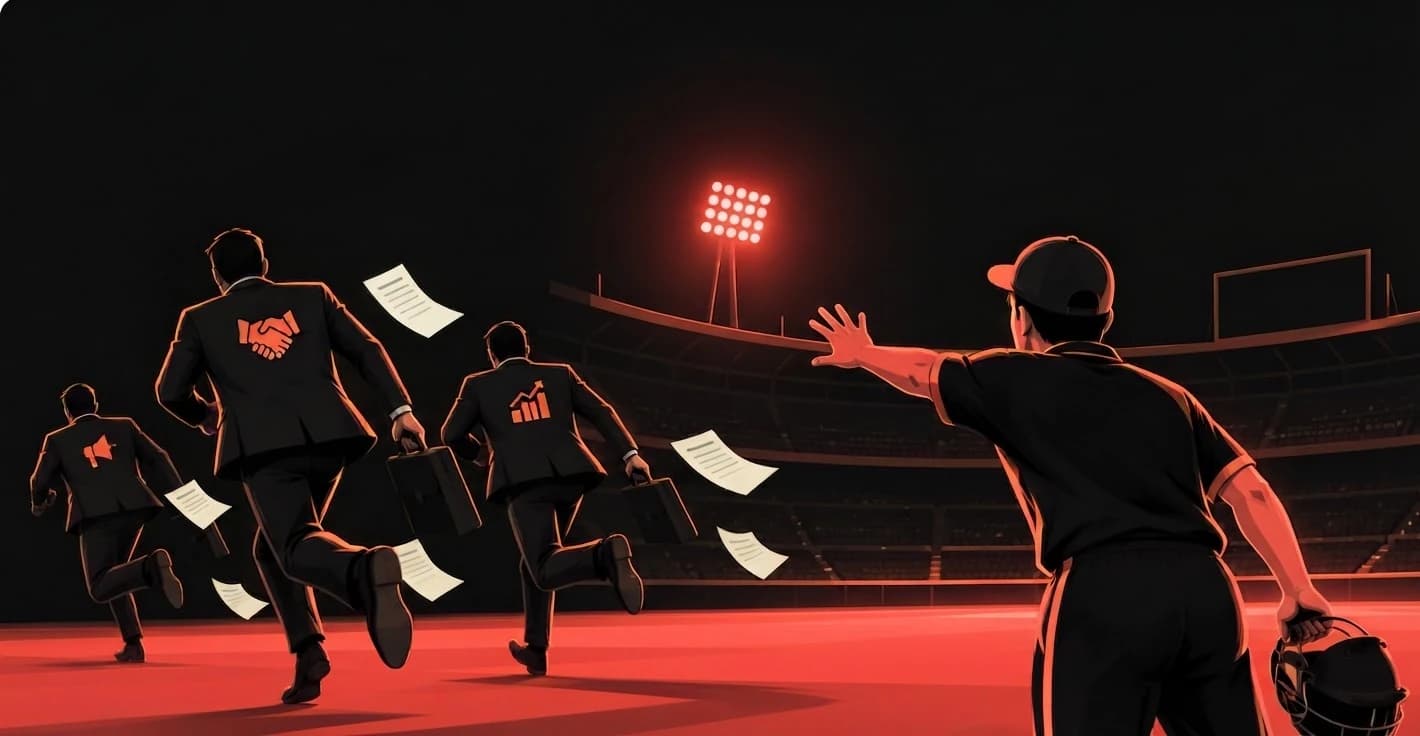
Sponsors running away
Logo visibility instead of engagement — so they negotiate down, and then they don't come back.
 Symptom 04
A loss making venture
Salaries, fees and costs keep rising while income stays flat. Each season deepens the hole.
 Symptom 05
Revenue drying up
A small central share and a handful of local sponsorships. No memberships, digital, merch or community income.
 Symptom 06
No hope next season
The same playbook produces the same result. Without a new engine, next season looks like the last.
 Symptom 07
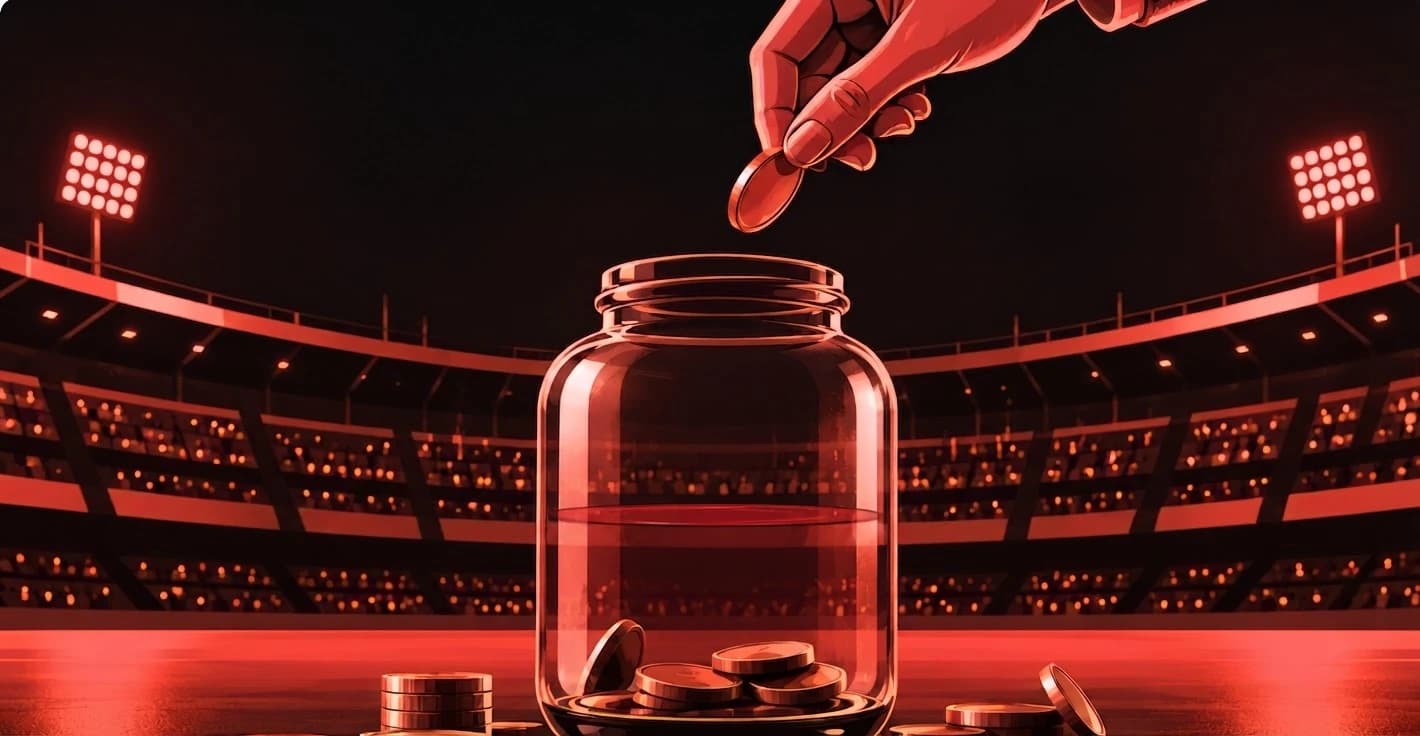
A crunch of funds
Keeping the team running consumes cash — and raising money against a loss maker is hard.
 Symptom 08
No exit from the investment
A privately held, loss making team is illiquid, hard to value and harder to sell — except at a distressed price.
 Symptom 09
Everything resets
Players change, captains change, jerseys change — and because nothing holds the fans, it all resets to zero.
Eleven players in matching kit is a squad. It is not yet a team anyone belongs to.
A team plays a season. A franchise builds for years.
Build the squad. Build the brand. Build the Fanly.
Build something people want to belong to.